

The connection between a player and their preferred platform often drifts into a comfortable but ordinary routine. For one UK-based player, that routine involved disjointed sessions across several sites, variable bonus terms that seldom delivered true value, and a enduring uncertainty about payment reliability. That pattern continued until a recommendation led to a comprehensive exploration of Rich Casino, a platform operating through richcasino.eu. What followed was not merely a switch of venue but a basic restructuring of how this player approached online gaming. The shift affected everything from session planning and bankroll management to the very criteria used to evaluate a platform’s worth. This account explores the specific features, policies, and structural elements that sparked such a deep change, offering an critical look at what actually differentiates a service when exposed to daily, practical use rather than superficial first impressions.
Security Framework and the Confidence It Provides
The technical foundation of a gaming platform influences whether players can concentrate on entertainment or must stay alert about data integrity. The player’s research into Rich Casino’s security architecture uncovered a platform constructed on industry-standard encryption protocols, with SSL technology safeguarding data transmission between the user’s device and the platform’s servers. This is not a unique feature in itself, as most legitimate operators utilize encryption, but the implementation details matter. The player observed that the platform’s privacy policy explicitly defined how personal and financial data would be used, stored, and protected, with specific commitments regarding third-party data sharing that were more restrictive than the industry average. Account security was strengthened by two-factor authentication options, which the player turned on immediately, adding a layer of protection that made the minor inconvenience of verification codes a justifiable trade-off.
The regulatory and licensing structure under which Rich Casino operates offers an external layer of accountability. The platform is authorised by a recognised jurisdiction, which sets requirements regarding game fairness, fund segregation, and dispute resolution. The player verified the licence details through the regulator’s public register, a step that any prospective user is advised to take. The presence of independently audited random number generators, certified by testing agencies whose logos were displayed in the platform’s footer, provided mathematical assurance that game outcomes were not manipulated. This mix of technical security, regulatory oversight, and third-party auditing created an environment where the player could direct attention toward strategic decisions rather than background anxieties about platform integrity. The practice of verifying these credentials became standard practice for evaluating any new platform, a enduring change in the player’s approach to online gaming.
Smartphone Interface That Facilitated Controlled Session Management
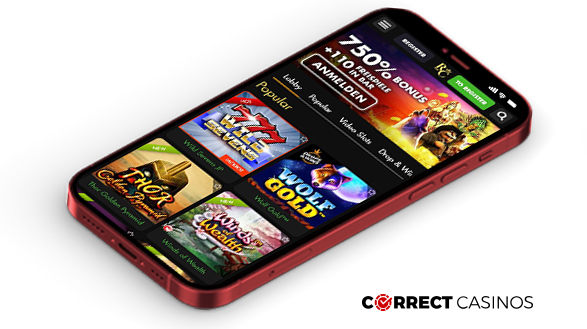
The transition to mobile gaming has introduced convenience but also risk, as the ability to play anywhere can weaken the boundaries that once distinguished gaming from daily life. The player realized that Rich Casino’s mobile implementation, accessible through a standard browser without requiring a dedicated application download, found a balance between accessibility and intentionality. The responsive design adjusted the full desktop experience to smaller screens without sacrificing functionality or packing elements into unusable dimensions. Game loading times were enhanced for mobile connections, and the touch targets were sized appropriately for finger navigation rather than requiring the precision of a stylus. This technical competence meant that mobile sessions were not a compromised afterthought but a fully functional alternative to desktop play.
More importantly, the mobile experience strengthened the habit changes the player was cultivating. The ability to set deposit limits, view transaction history, and access responsible gaming tools from the mobile interface guaranteed that session controls were always available, not buried in a desktop-only settings menu. The player began using mobile sessions for specific, time-boxed activities: a few spins during a commute, a live dealer round during a break. The platform’s session timeout features and reality check reminders worked identically across devices, maintaining consistent guardrails. The absence of a downloadable app, while initially seeming like a drawback, actually lessened the friction of impulsive play by removing an ever-present icon from the home screen. Accessing the platform required the deliberate step of opening a browser, a small but meaningful barrier that encouraged intentional rather than habitual engagement. The player’s mobile gaming became a planned subset of the overall experience rather than an uncontrolled extension of it.
How the Game Library Structure Encouraged Strategic Play
The structuring of a casino’s game library directly impacts player behaviour, sometimes in ways that are overlooked. Rich Casino’s approach organises titles not solely by genre but through themed groupings and provider filters that enable deliberate selection. The player found that the platform offers content from a diverse range of established software developers, including NetEnt, Microgaming, and Evolution Gaming, amongst others. This multi-provider strategy implies that slot volatility, return-to-player percentages, and feature mechanics change considerably across the catalogue. Instead of defaulting to the first visually appealing title, the player started using the provider filter to discover studios known for specific mathematical models. This shift from reactive clicking to intentional selection changed sessions from hope-based spinning to informed entertainment where the core mechanics were clear before a single wager was placed.
The live casino section was especially impactful in reshaping habits. The player had formerly avoided live dealer games due to concerns about slow pacing and high minimum bets. Rich Casino’s implementation, though, provided tables with diverse limits that accommodated more conservative bankrolls. The presence of game show-style titles next to traditional blackjack and roulette provided a bridge between casual play and the more formal live environment. The player started setting aside a specific portion of each session to live games, treating them as a distinct category with their own bankroll rules as opposed to an afterthought. This segmentation of play types on a single platform removed the need to maintain accounts across multiple sites, streamlining the experience while fostering more disciplined allocation of time and funds. The ability to switch from a high-volatility slot and a low-stakes roulette table inside the same interface maintained session variety without fragmenting attention.
The early detection and early opinions that counted
The player’s journey began not through a promotional advertisement but via a exclusive forum talk where seasoned users analyzed platform trustworthiness. The consensus indicated Rich Casino as an provider that had maintained a consistent presence without the intense rebranding phases that plague the industry. When visiting the homepage, the instant reaction was that of careful arrangement rather than sensory overload. The layout offered clear pathways to game types, promotional information, and help resources without forcing players to dig through pop-ups or self-starting media. This organizational clarity is more important than infrequent visitors realise. A platform that values a player’s time by making navigation intuitive decreases the cognitive friction that often leads to hasty, unplanned gambling. For the UK player, this meant the first ten minutes were dedicated learning the design rather than closing intrusive offers, creating an atmosphere of mastery that would prove foundational to the lifestyle adjustments that followed.
Beyond appearance, the enrollment process showed a platform following Know Your Customer procedures without making them feel like an questioning. The gambler was asked to supply standard verification documents, but the instructions were specific about valid file types and upload limits, eradicating the tedious to-and-fro that afflicts lesser sites. The T&Cs were displayed in a tiered structure, with main details summarized at the start and full legal text present for those who wished to explore more. This clarity indicated an operator sure of its policies rather than one hoping players would overlook binding conditions. The user observed that the promotion rules were shown with comparable emphasis to the bonus value itself, a rarity that instantly affected trust. Within the first hour, the foundation for altered behaviors was established: this represented a platform that provided information in advance, allowing decisions to be made from a standpoint of awareness rather than presumption.
Banking Methods That Built Trust Through Consistency
Nothing erodes confidence faster than a withdrawal process that feels arbitrary or purposefully slow. The UK player had experienced the industry-standard frustration of pending periods that stretched days beyond initial estimates, requests for documents already submitted, and reversal buttons that seemed designed to encourage cancelling cashouts. Rich Casino’s payment infrastructure addressed these pain points through a combination of method variety and processing transparency. The platform supports traditional options including Visa and Mastercard, alongside e-wallets such as Skrill and Neteller, prepaid solutions, and bank transfer capabilities. The player gravitated toward e-wallet transactions after noting that the processing times for these methods were consistently within the 24 to 48-hour window stated in the banking policy, a reliability that stood in stark contrast to the industry norm of optimistic estimates followed by unexplained delays.
The deposit process was equally streamlined, with funds appearing in the player’s account instantly across all electronic methods. Minimum deposit thresholds were set at accessible levels, removing the pressure to commit larger sums than comfortable. The player adopted a structured deposit schedule, funding the account on a set day each week with a predetermined amount, treating it as an entertainment budget rather than a reactive response to losses or promotional deadlines. This habit was reinforced by the platform’s consistent performance; when deposits process instantly and withdrawals arrive within the stated timeframe, the financial relationship becomes predictable enough to plan around. The player also noted the absence of fees on transactions, a detail that may seem minor but accumulates significance over months of regular play. The verification process, while thorough, was a one-time requirement rather than a recurring obstacle, and the documentation was handled through an encrypted upload system that addressed security concerns.
Promotional Frameworks That Incentivised Strategy Over Impulse
Promotional offers in online gaming often encourage the very behaviours that lead to problematic play: adding funds more than intended, pursuing losses to meet playthrough conditions, or taking promotions without reading the terms. The player noted that Rich Casino’s promotional framework was based on a alternative mindset. The welcome package was arranged across various opening deposits, each with explicitly defined bonus percentages, highest bonus values, and playthrough contributions. Rather than a massive initial deal that pushed a big initial payment, the phased method allowed the player to test the platform’s speed, payout rate, and customer support quality before investing further. This structure naturally controlled the sign-up process, replacing the pressure typically manufactured by expiring introductory bonuses with a more measured evaluation period.
Recurring offers extended this trend of rewarding consistency. The player encountered top-up offers, rebate deals, and tournament-style competitions that provided value based on frequent participation rather than occasional large wagers. The rebate structure was remarkably effective because it determined payouts on net losses over a defined period, providing a buffer that encouraged sensible play boundaries. Realising that a fraction of losses would be returned reduced the psychological pressure to recover, as the downside was partially mitigated by intention. The player formed a practice of examining the promotions page at the start of each week, picking which deals matched scheduled activity rather than letting bonuses dictate the plan. This inversion of the usual pattern, where the player directs the offer rather than the bonus controlling the player, signified a substantial change in playing behaviour. The rules were specific enough to allow calculation of expected value before opting in, converting promotion picking into a thoughtful choice rather than a reflexive click.
Client Assistance That Operates as a Real Asset
Assistance quality shows more concerning a website’s business approach than all marketing copy. The client’s dealings with Rich Casino’s customer service team happened through various methods, such as live chat, email, and an detailed FAQ section that covered common queries without needing direct contact. The live chat function was operational during extended hours, connecting the player to agents who showed familiarity with the site’s policies rather than reciting from generic scripts. When the player questioned about the details of wagering contribution rates across diverse game categories, the response contained exact percentages for slots, table games, and live dealer titles, along with an explanation of how these contributions were computed toward bonus clearance. This degree of detail transformed a routine query into an educational interaction that shaped future bonus decisions.
The email support channel proved equally capable, managing more complex inquiries about document verification status and withdrawal processing timelines with responses that were delivered within the promised timeframe. The player developed the habit of reviewing the FAQ section before contacting support, finding that the knowledge base was updated with current information rather than outdated placeholder content. This self-service capability strengthened the sense of control that characterised the player’s evolving relationship with the platform. When a technical issue occurred with a specific game failing to load, the support team offered troubleshooting steps that fixed the problem while also clarifying the likely cause, browser cache conflicts with a recent game update. The player’s takeaway was that competent support is not merely a safety net for problems but an active resource that can enhance understanding of how the platform functions. The habit of contacting support proactively, rather than only when something goes wrong, became part of a more informed approach to platform use.
The shift described by this UK player was not the product of a individual feature or a especially generous promotion. It arose from the cumulative effect of a platform designed with operational openness, secure sign in casino rich, technical dependability, and structural regard for player agency. The game library encouraged strategic selection over impulsive clicking. The bonus framework compensated planning rather than hunting. The payment systems created trust through steadiness rather than promises. The mobile experience supported intentional gaming rather than constant accessibility. The security infrastructure provided verifiable assurance rather than vague assertions. And the customer support functioned as an educational asset rather than a last alternative. For players who identify their own fragmented routines in the starting place of this account, the path ahead involves reviewing platforms against these concrete, observable benchmarks. The habits that lead to enduring, enjoyable gaming are not solely a matter of individual determination; they are formed, reinforced, or weakened by the platforms we pick. The choice of where to play is itself the most consequential gaming judgment a player makes.